
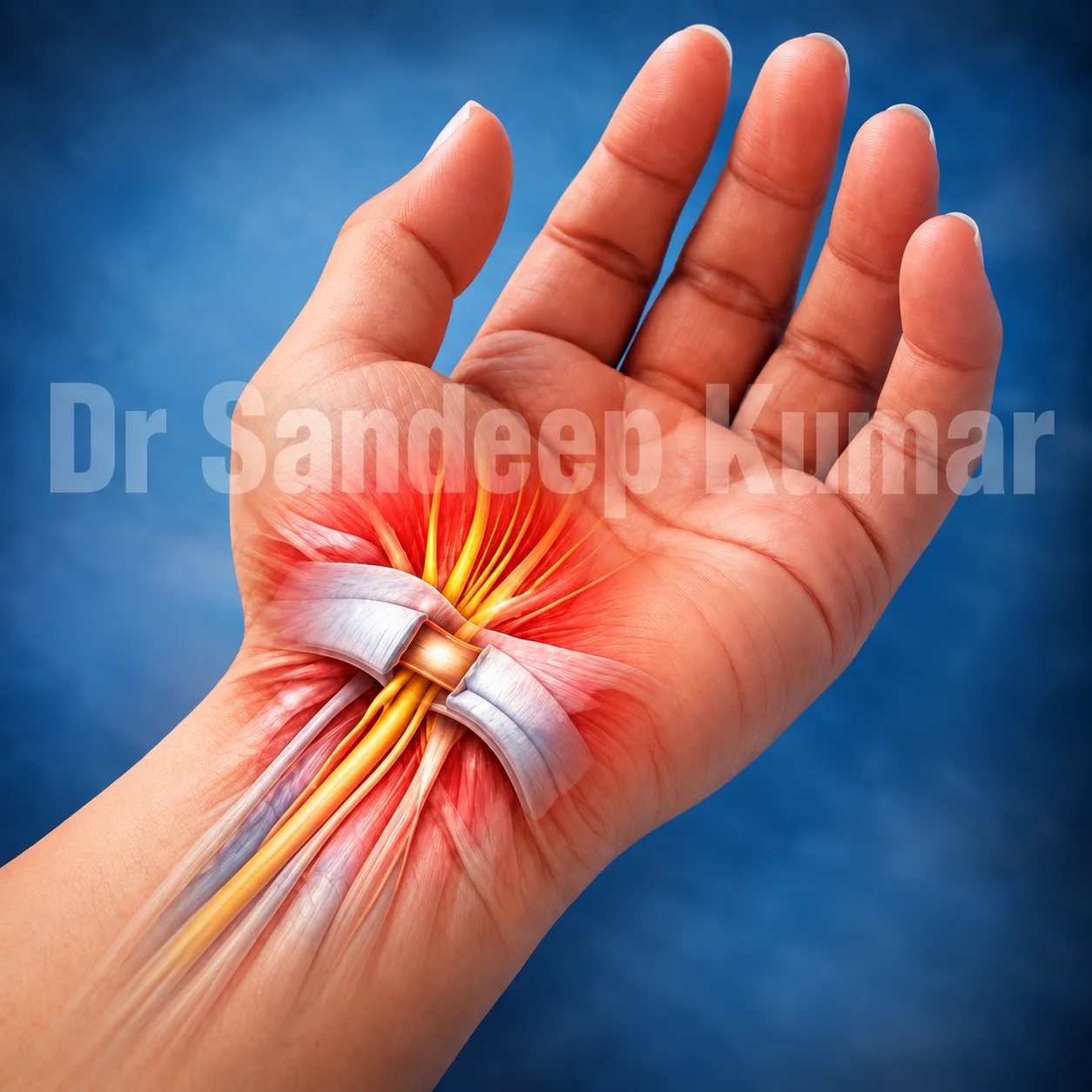
What Exactly Is Carpal Tunnel Syndrome?
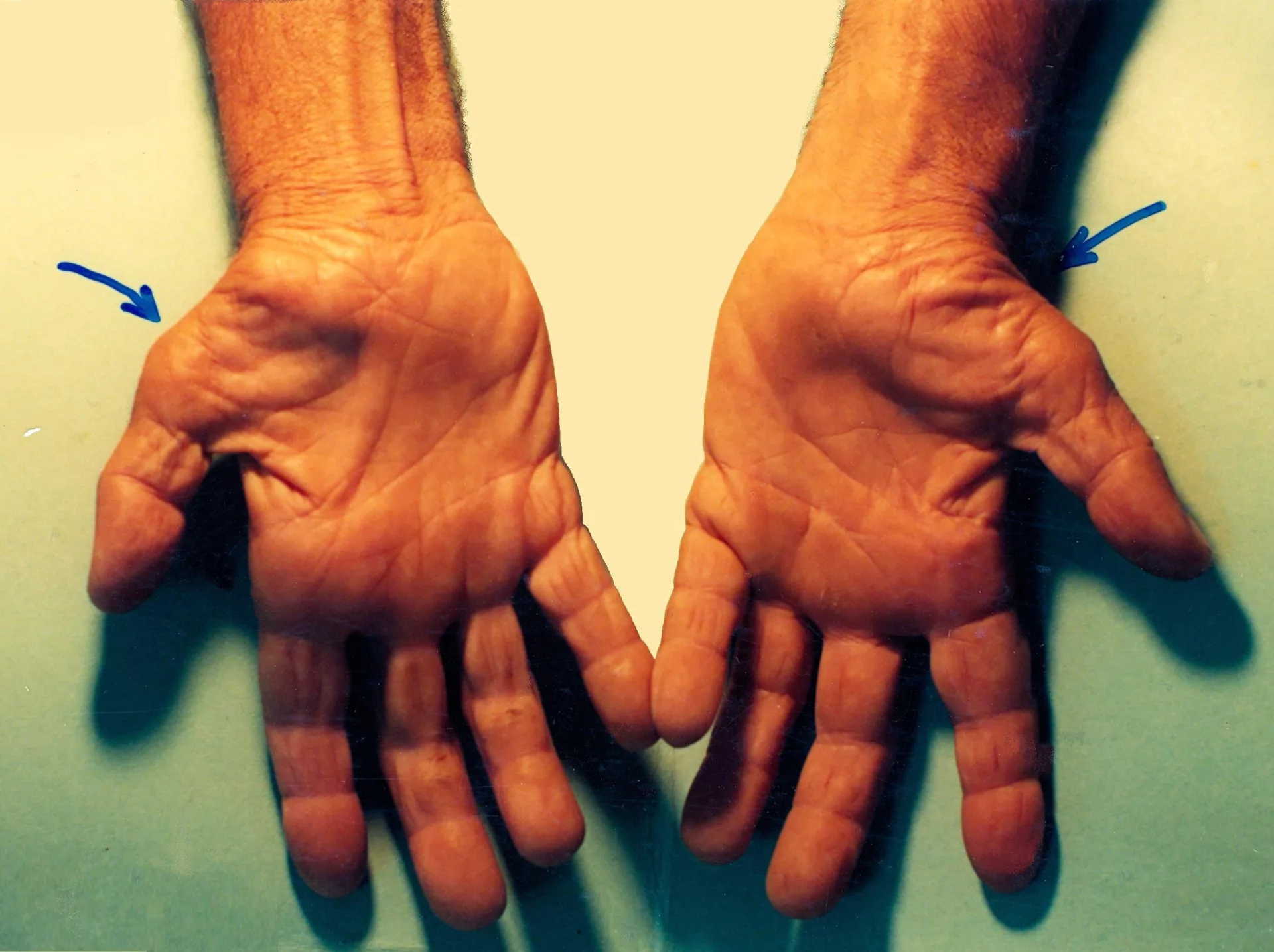
Carpal Tunnel Syndrome (CTS) is a common condition that occurs when the median nerve is compressed as it passes through a narrow space in the wrist called the carpal tunnel.
It can affect everyday activities such as typing, writing, driving, holding a phone, or even sleeping comfortably.
What Causes Carpal Tunnel Syndrome?

The carpal tunnel contains the median nerve and several tendons that control finger movement. When pressure increases inside this tunnel, the median nerve can become compressed.
Possible contributing factors include:
- Repetitive wrist and hand movements
- Prolonged or awkward wrist positions
- Certain wrist injuries
- Swelling around the wrist
- Repetitive work involving gripping or vibration
Common Symptoms
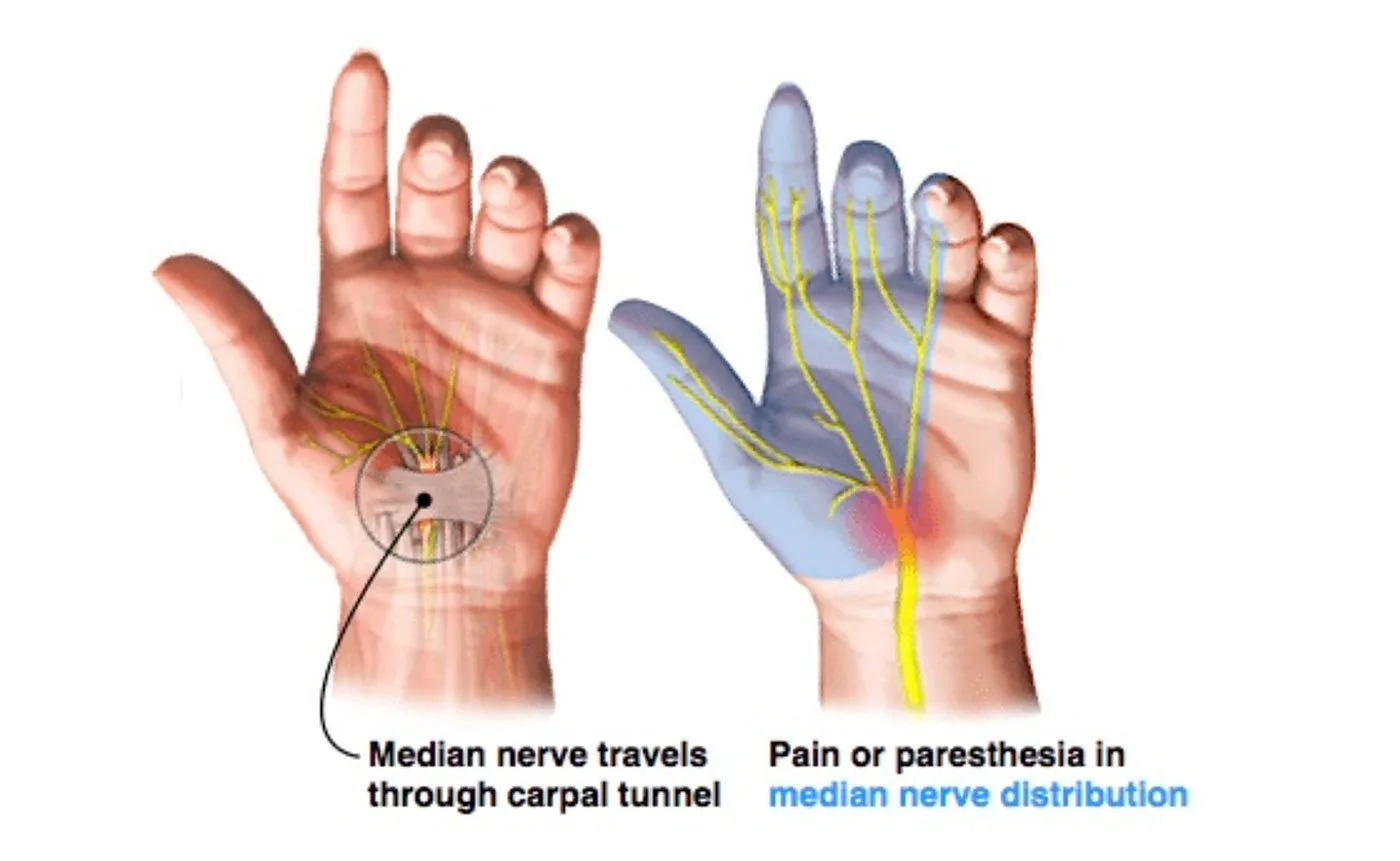
Symptoms often develop gradually and may include:
- Numbness or tingling in the thumb, index, middle, and part of the ring finger
- Burning or pins and needles sensations
- Wrist or hand pain
- Weakness while gripping objects
- Difficulty performing fine movements
- Dropping objects unexpectedly
- Symptoms that become worse at night
How Can Physiotherapy Help?
Treatment depends on the severity and underlying cause of the condition.
Physiotherapy may include:
✔ Activity modification
Identifying and reducing activities or wrist positions that aggravate symptoms.

✔ Therapeutic exercises
Exercises may help improve wrist and hand function and, when appropriate, nerve mobility.
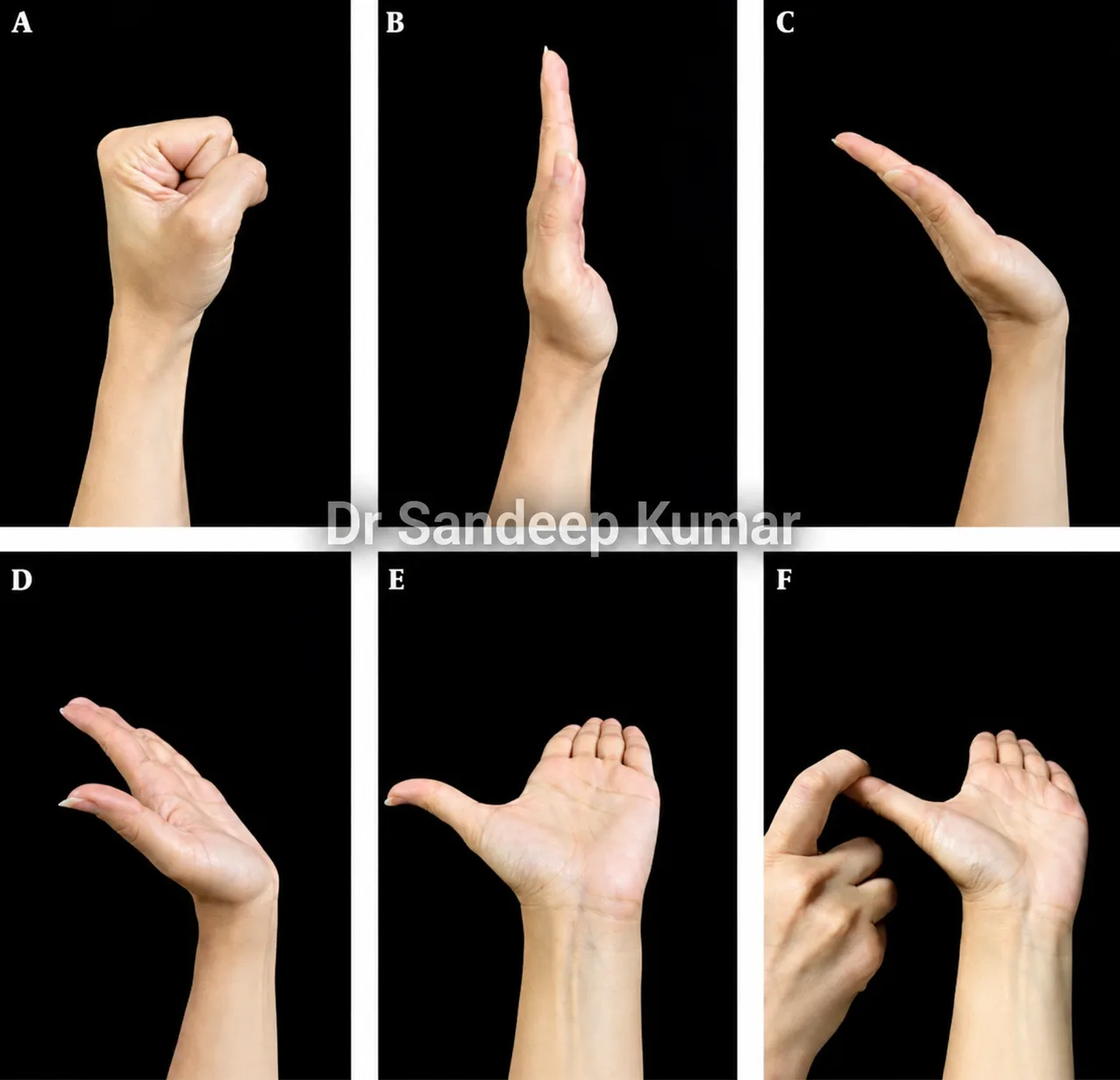
✔ Nerve mobilisation
Specific techniques may be used to improve the mobility of the median nerve.
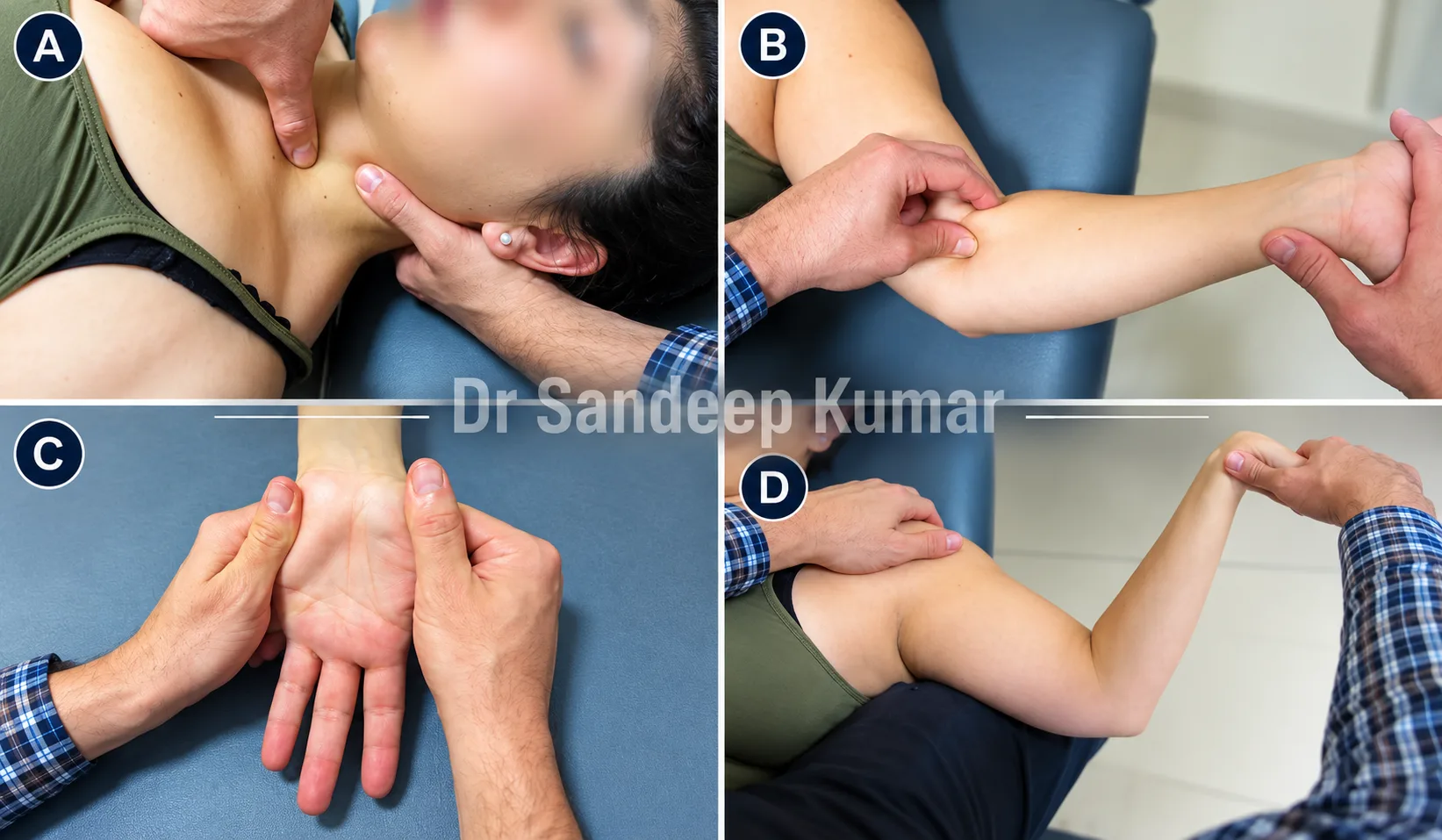
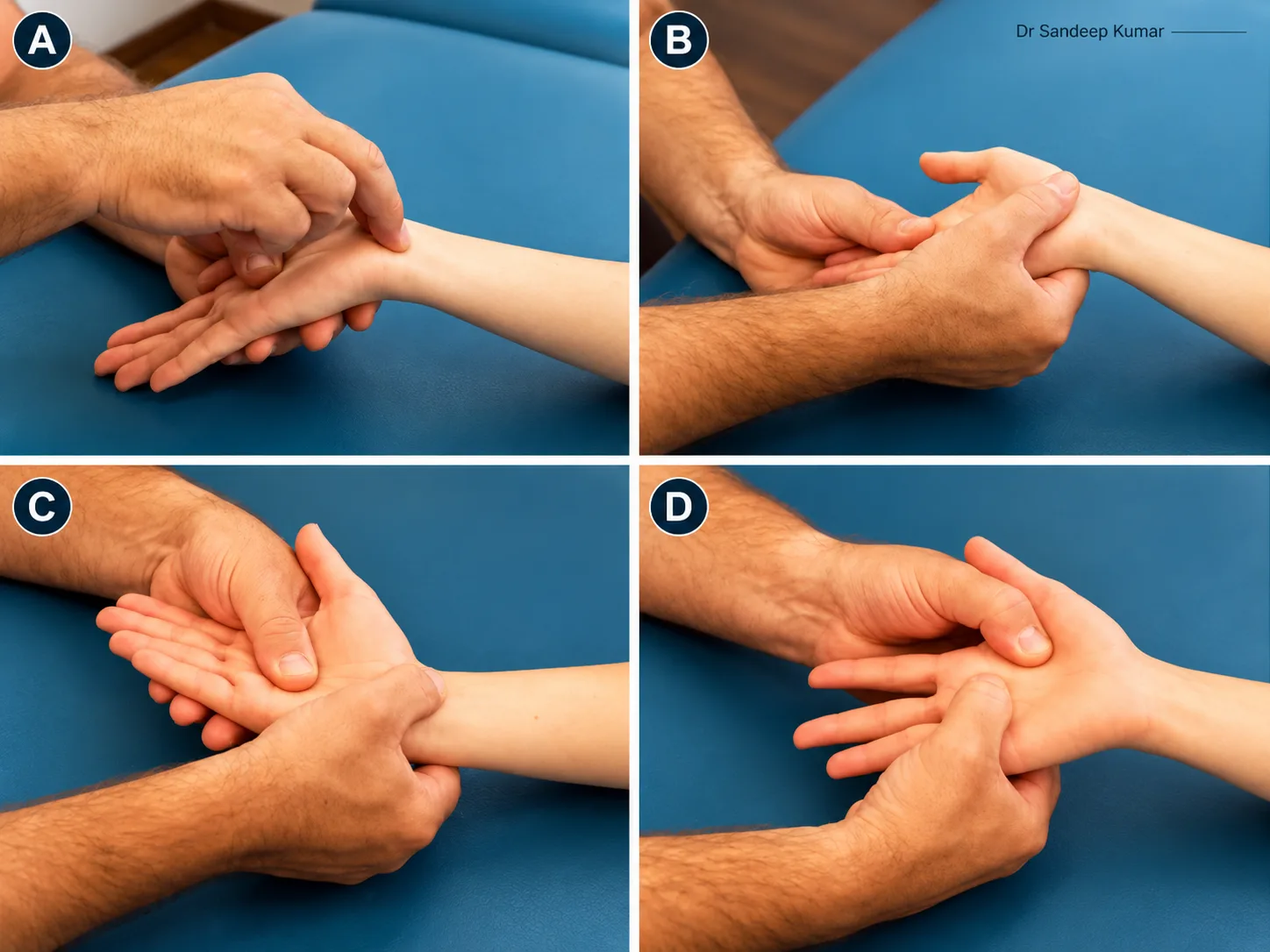
✔ Manual therapy
Appropriate hands-on techniques may help address associated soft-tissue or joint restrictions.
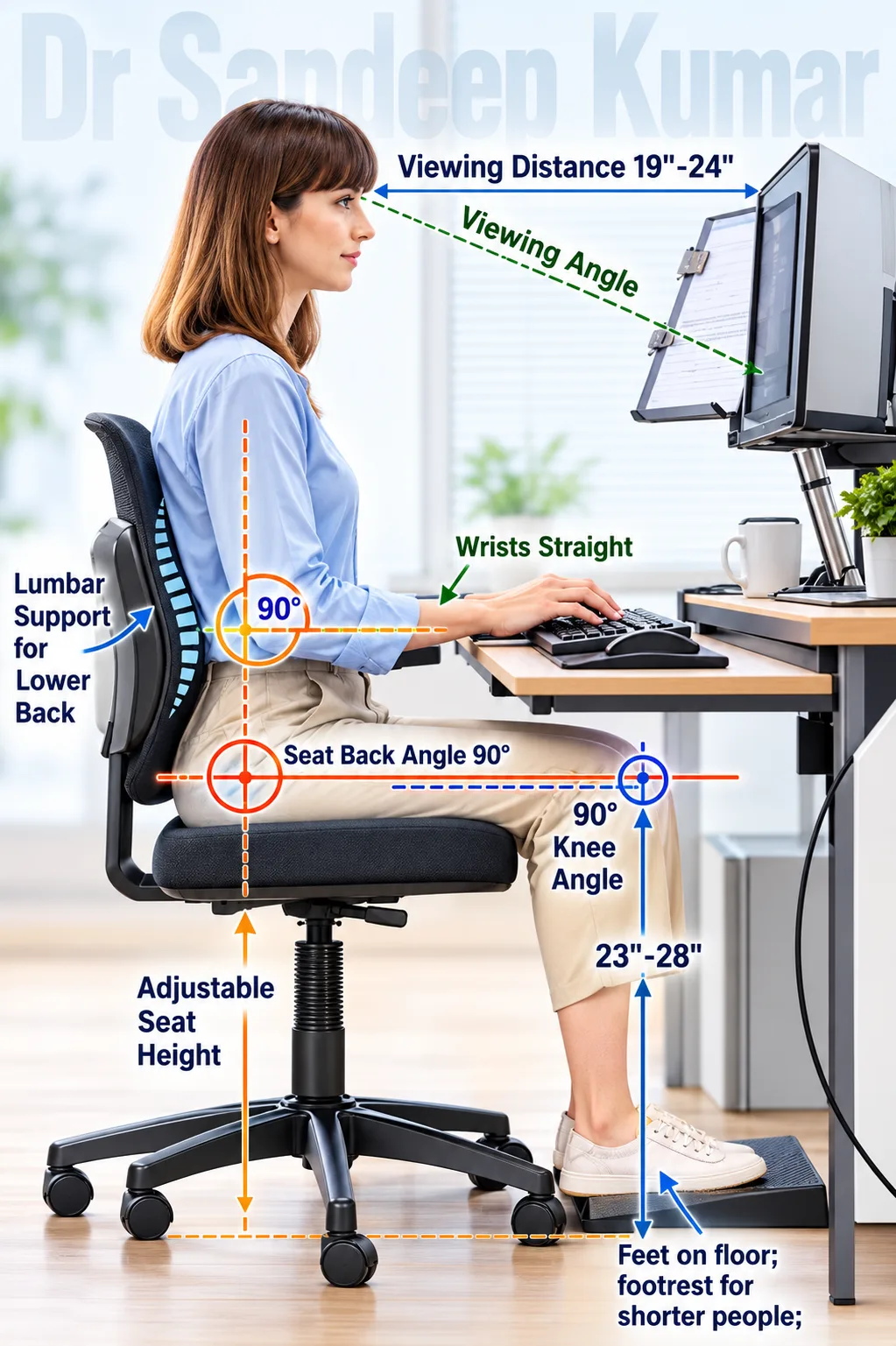
✔ Ergonomic advice
Improving workstation, keyboard, mouse, and wrist positioning can help reduce unnecessary stress.
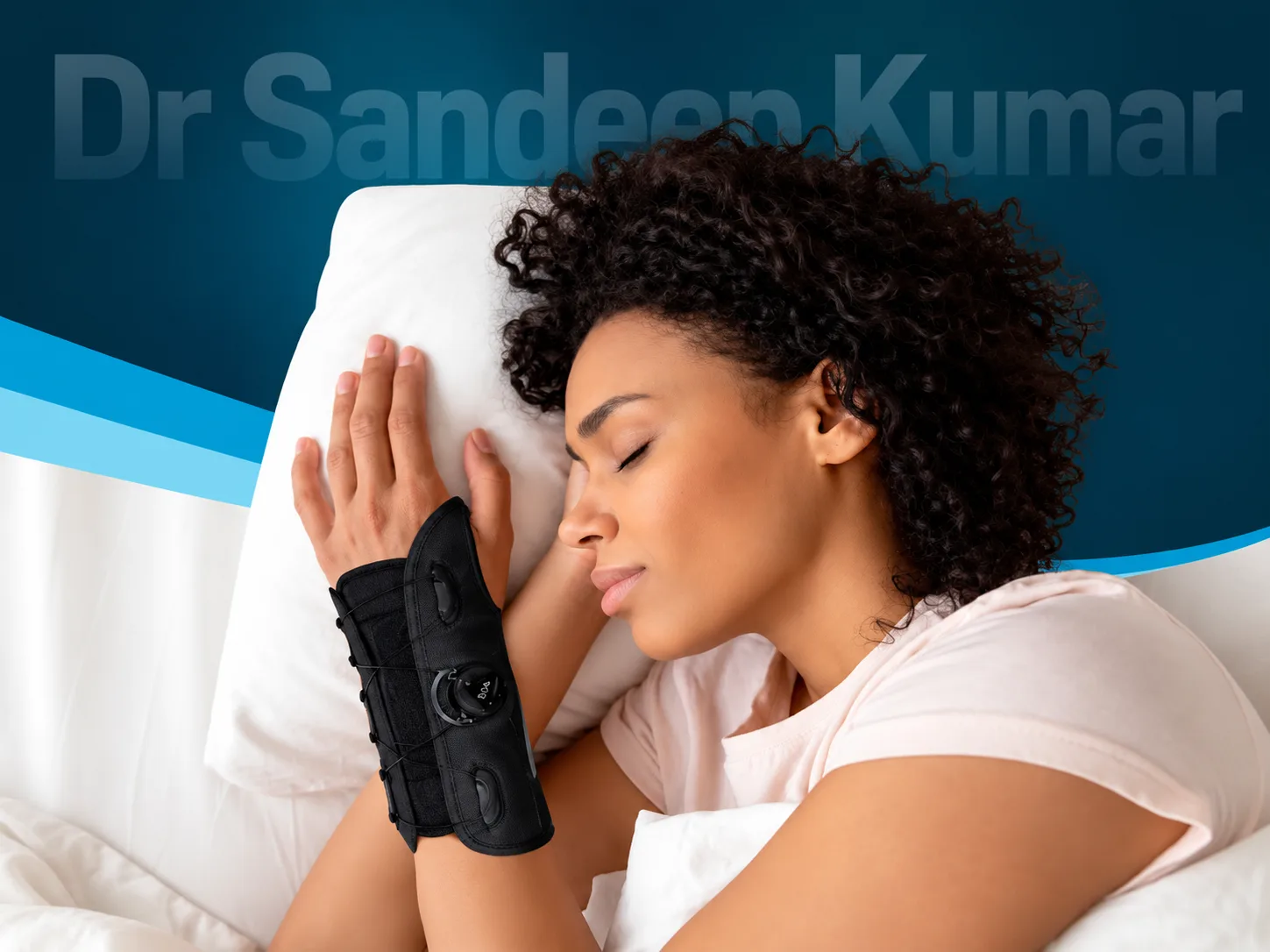
✔ Splinting advice
A wrist splint may be recommended in suitable cases, particularly to avoid prolonged wrist bending at night.
Don't Ignore Persistent Numbness
Occasional tingling may be harmless, but persistent or worsening numbness, weakness, or loss of grip deserves proper assessment. Early identification and appropriate management may help prevent the problem from affecting your daily activities.